



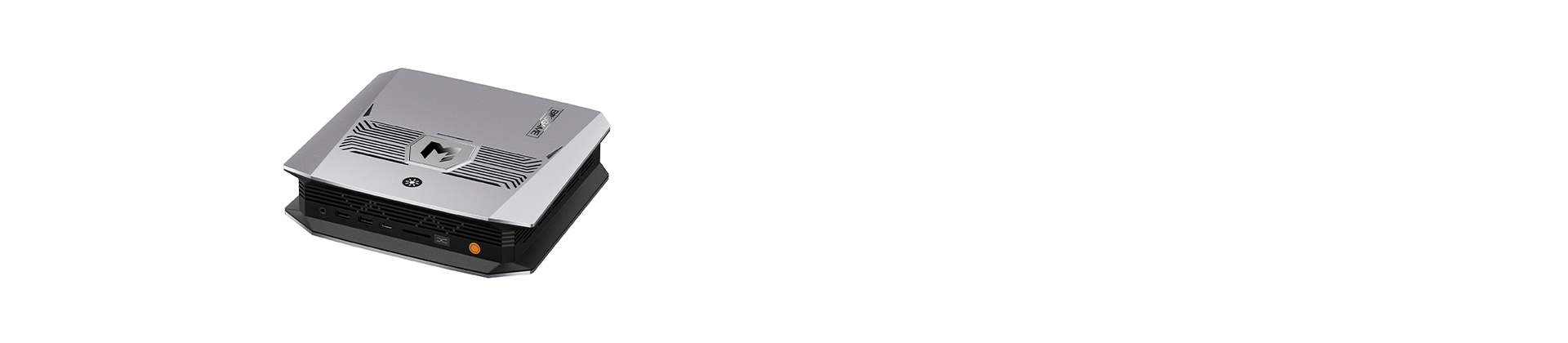


What Does 86 TOPS AI Performance Mean in Real Computing Tasks?
As AI computing becomes more integrated into modern devices, performance metrics like TOPS (Tera Operations Per Second) are increasingly used to describe processing capability.
But what does 86 TOPS AI performance actually mean in real-world usage?
More importantly—how does it impact everyday computing tasks?
This article breaks down AI performance in a simple, practical way to help you understand what next-generation AI Mini PCs are capable of.
What Is TOPS in AI Computing?
TOPS stands for Tera Operations Per Second, which measures how many trillion AI-related operations a system can perform each second.
In simple terms:
- Higher TOPS = faster AI processing
- Lower TOPS = slower AI inference
- TOPS is mainly used for NPU (Neural Processing Unit) performance
It is a key indicator of how well a system can handle AI workloads locally.
Why AI Performance Is No Longer Just About CPU or GPU
Traditional computing performance relied heavily on:
- CPU clock speed
- GPU rendering power
However, AI workloads require a different approach.
Modern systems now include:
- CPU → general computing
- GPU → parallel processing and graphics
- NPU → AI inference and neural tasks
This combination enables AI tasks to run more efficiently and with lower latency.
What Can 86 TOPS AI Performance Actually Do?
A system capable of 86 TOPS AI performance can support a wide range of AI-driven tasks, including:
- Real-time AI image generation
- AI video enhancement and upscaling
- Natural language processing tasks
- Voice recognition and AI assistants
- Intelligent automation workflows
- Local AI model inference
These tasks can be processed directly on the device without relying heavily on cloud computing.
Real-World Examples of AI Acceleration
To better understand AI performance, here are practical scenarios:
- Generating images using AI tools faster
- Enhancing video quality in real time
- Running AI chat models locally
- Automating repetitive creative tasks
- Processing large datasets with AI assistance
The higher the AI performance, the smoother and faster these tasks become.
Why TOPS Matters for AI Mini PCs
AI Mini PCs are increasingly designed around NPU performance rather than only CPU or GPU benchmarks.
Higher TOPS values enable:
- Faster AI response times
- More efficient local processing
- Reduced dependency on cloud services
- Better multitasking with AI tools
This is especially important for creators, developers, and professionals working with AI workflows.
The Shift Toward Local AI Computing
With increasing privacy concerns and latency issues in cloud-based AI, local AI processing is becoming more important.
AI Mini PCs with high TOPS performance allow users to:
- Keep data local
- Reduce network dependency
- Improve response speed
- Run AI applications offline
This shift is driving the growth of edge AI computing.
Conclusion
86 TOPS AI performance represents a new generation of computing capability where AI processing is integrated directly into compact systems.
Instead of relying solely on CPU or GPU power, modern AI Mini PCs leverage NPU acceleration to handle complex tasks efficiently and locally.
As AI applications continue to grow, TOPS will become one of the most important metrics in evaluating future computing devices.