


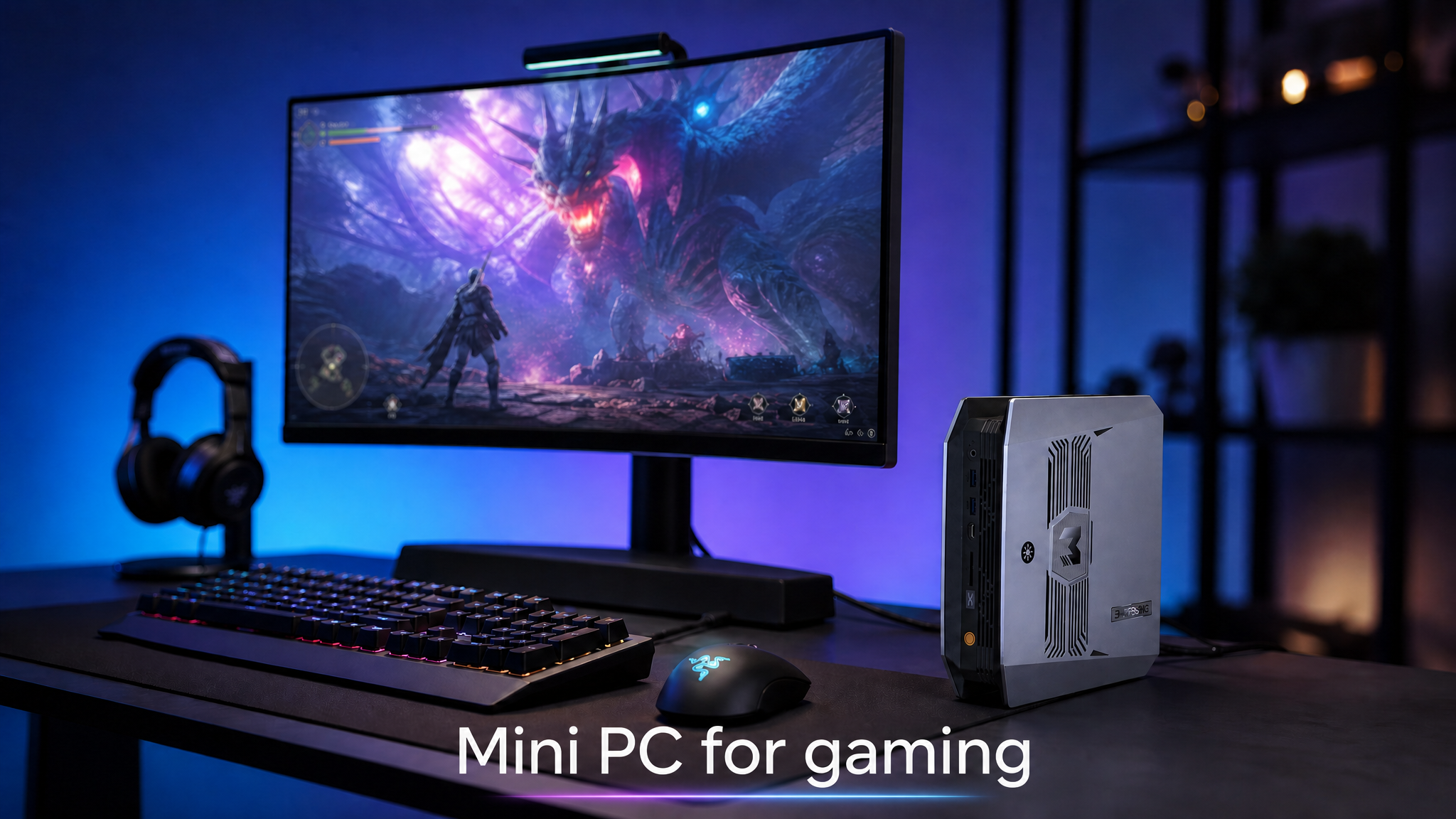
Looking for a mini PC for gaming that won't take over your desk? Modern mini gaming PCs have come a long way — they pack enough power to handle 1080p gaming, everyday esports titles, and even light 3A games, all while running quieter and using far less power than a full-size tower. This guide breaks down which mini PC gaming setup is right for different types of gamers, from casual 1080p play to more demanding workloads, helping you find the best mini PC for gaming based on your needs.
How to Choose the Best Mini PC for Gaming?
Then, what should you look for when choosing the best mini PC for gaming? Here are the key factors to consider.
GPU Performance
If you want to choose the best mini PC for games, you should pay attention to the GPU performance first. For 1080p gaming, look for a modern processor with a capable integrated GPU — this is usually enough for esports titles and many mainstream games at medium-to-high settings. If you're aiming for heavier titles or higher resolutions, prioritize models with the newest-generation integrated graphics, or consider one that supports an external GPU dock.
Memory and Storage
16GB of RAM is the practical minimum for a smooth mini gaming PC experience today — 32GB gives more headroom if you plan to stream, record, or run background apps while gaming. For storage, an NVMe SSD is worth prioritizing over a traditional SATA drive; faster load times make a noticeable difference, especially in open-world games.
Cooling and Noise
To choose the best mini PC for gaming, heat dissipation and noise levels are also factors to consider. A good cooling system helps maintain stable performance during long gaming sessions and prevents thermal throttling. At the same time, excessive fan noise can affect your gaming experience. Look for a mini PC with an efficient cooling design that can balance sustained performance, temperature, and noise, especially when playing demanding games.
Ports and Connectivity
At minimum, look for HDMI 2.1 or DisplayPort 1.4 to support high refresh rate monitors, along with enough USB ports for peripherals. If you plan to add an external GPU, an OCuLink port is worth considering, as it provides a direct way to expand your mini PC's graphics performance.
Which Mini PC Fits Your Gaming Needs?
For some people, the best mini PC for games doesn't necessarily have to have the highest specifications, but rather it should meet their actual needs. Let's take a look at three BOSGAME product series, each designed for different gaming needs.
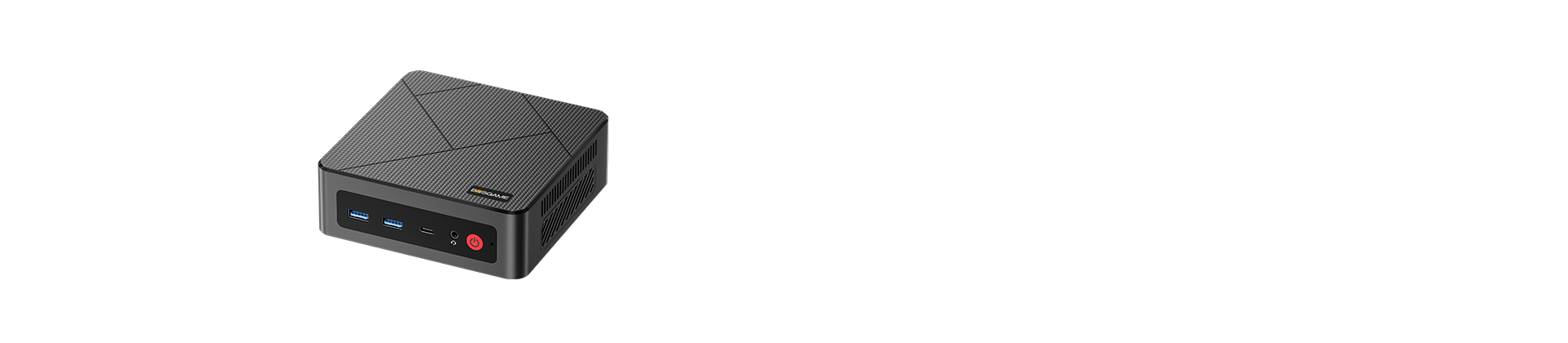
Casual & Everyday Gaming — BOSGAME Effizen Series
If you mostly play lighter titles, or indie games, and want a mini PC for gaming that also handles everyday computing well, the Effizen Series is the right starting point. It's built for smooth, reliable performance on casual and mid-weight games, and the price is not very high. For customers looking for a balance between everyday performance and affordability, Effizen Series is one of the best mini PCs for gaming.
Best for: casual gaming, indie titles
Key strengths: reliable everyday performance, solid value, handles gaming alongside general use
Recommended models: P6 Neo, P6
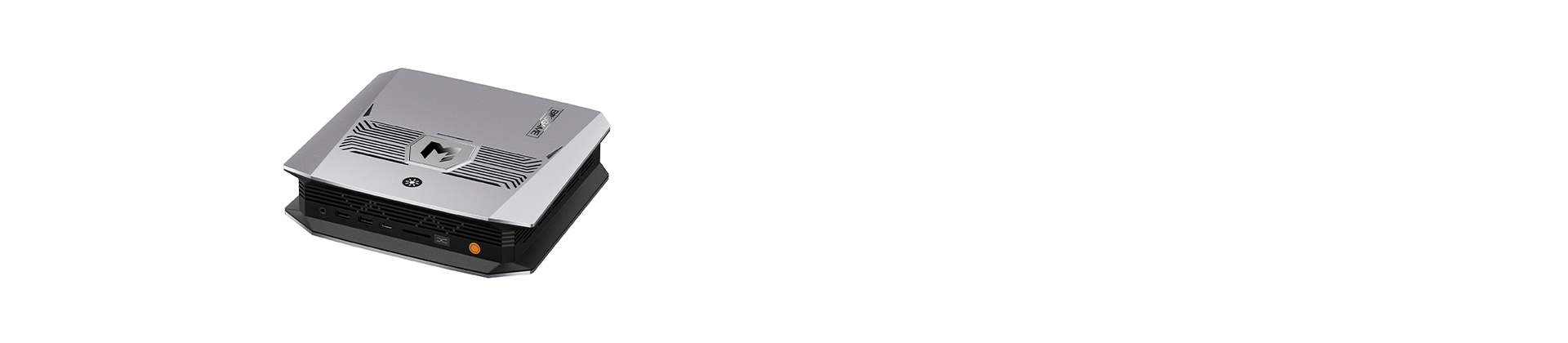
Heavy Gaming Performance — BOSGAME Beyondmax Series
For gamers who want to push into more demanding, graphically intensive titles, the Beyondmax Series is built specifically around stronger sustained performance. This series prioritizes raw gaming muscle — higher-tier integrated graphics and better thermal management under extended heavy loads — making it the pick if your focus is purely on running demanding games well.
Best for: heavy/AAA-style gaming, extended gaming sessions
Key strengths: stronger GPU performance, better sustained thermals for heavy loads
Recommended models: M4 Plus, M6
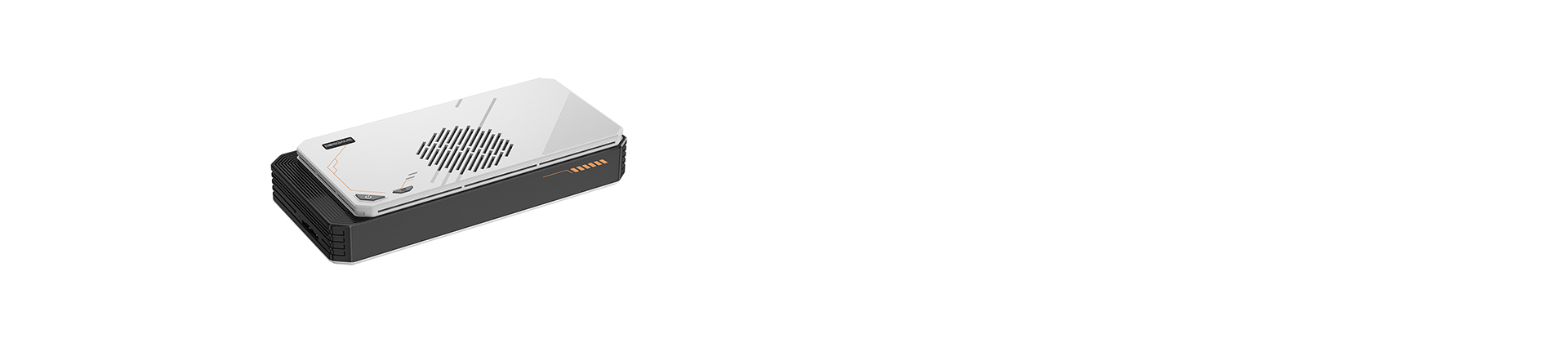
Heavy Gaming + AI Workloads — BOSGAME AI PC Series
If you're a gamer who also dabbles in AI-assisted creative work — running local AI models, AI-powered content creation tools, or similar workloads alongside heavy gaming — the AI PC Series is built for exactly this dual use case. It combines strong gaming performance with dedicated capability for running AI models locally, so you're not switching between separate machines for gaming and AI work.
Best for: heavy gaming combined with local AI model use, AI-assisted content creation
Key strengths: strong gaming performance plus on-device AI processing capability
Recommended models: M5, VTA-439
Conclusion
Choosing the best mini PC for gaming comes down to finding the right balance between performance, size, cooling, and your actual gaming needs. Whether you want an affordable system for casual gaming, stronger performance for demanding titles, or a versatile machine for gaming and AI workloads, BOSGAME offers a range of options to match your needs.