



What Is a Low Power Mini PC?
A low power mini PC is a compact computer designed to handle everyday computing tasks while keeping electricity consumption relatively low. It typically uses an energy-efficient processor, generates little heat, and runs quietly. This makes it a practical choice for devices that stay on around the clock, such as home servers, routers, and office workstations.
What Does Low Power Mean in a Mini PC?
A mini PC's power consumption changes depending on how it operates. Idle power refers to energy use when the computer is on but performing little or no work. Load power describes consumption when running demanding applications, while standby power refers to energy used in a low-power state when the computer is not fully operating. A low power mini PC aims to keep consumption efficient across these conditions.
Why Choose a Low Power Mini PC?
Lower power consumption can help reduce electricity costs, especially for computers that run for long periods each day. For example, saving just 1 kWh of electricity per day adds up to about 30 kWh per month and 365 kWh per year. Depending on local electricity rates, these savings can make a noticeable difference over time. Lower power consumption can also reduce heat output, potentially easing cooling requirements and allowing quieter operation. Combined with their compact size, these characteristics make low power mini PCs a practical choice for home offices, media playback, and lightweight home server tasks.
Who Needs a Low Power Mini PC?
A low power mini PC is particularly useful for systems that run continuously or handle light workloads for long periods. Common examples include home servers, smart home hubs, network appliances, and office computers. And the right choice depends on the workload, required performance, and how often the system stays active.
Home Server and NAS
Whether you're streaming media through Plex or Jellyfin, hosting shared files, or backing up family photos, a home server may run for hours at a time or remain on around the clock. A low power mini PC can help limit the energy used during everyday server tasks, although actual consumption depends on storage devices, workload, and whether media transcoding is required.
Smart Home Hub
Home Assistant and other similar smart home platforms can run on a mini PC to coordinate connected devices, manage automations, and monitor your home. But these services often run continuously. Therefore, the low power mini PC is a perfect choice for them to help limit energy use over time.
Soft Router and Firewall
If you use pfSense, OPNsense, or OpenWrt to manage your home network, your router or firewall needs to operate continuously to handle network traffic and protect connected devices. A low power mini PC is a practical choice for this setup, allowing you to manage your network around the clock without adding unnecessary energy consumption.
Office Computer and Digital Signage
Reception desks, shared workstations, retail displays, and menu boards rarely need high performance, but they often run for many hours a day. The typical workload is light: browsing, documents, video calls, or looping content. A low power mini PC can handle these tasks comfortably while using little electricity, and the savings add up when several units are deployed. Quiet or near-silent operation is another plus in customer-facing spaces.
Best Low Power Mini PCs from BOSGAME
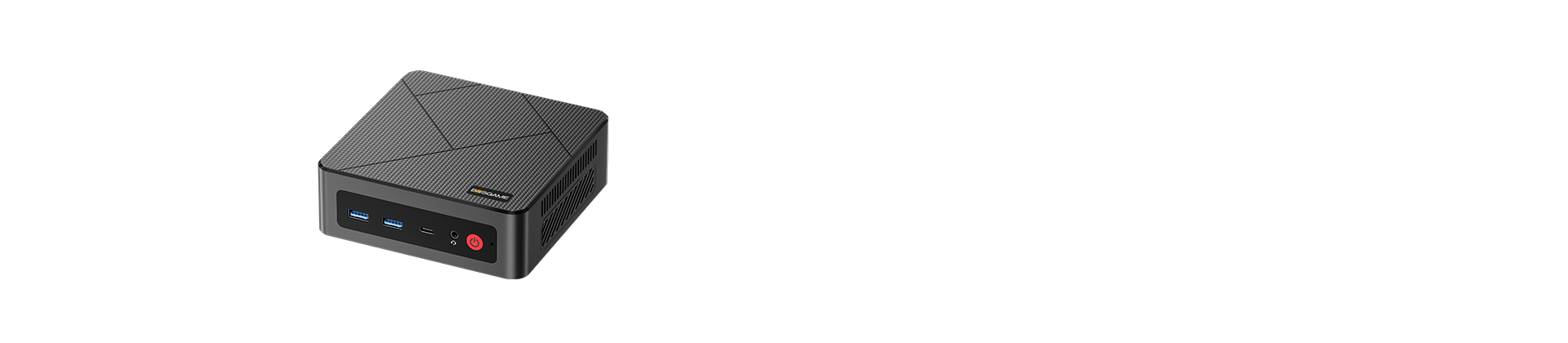
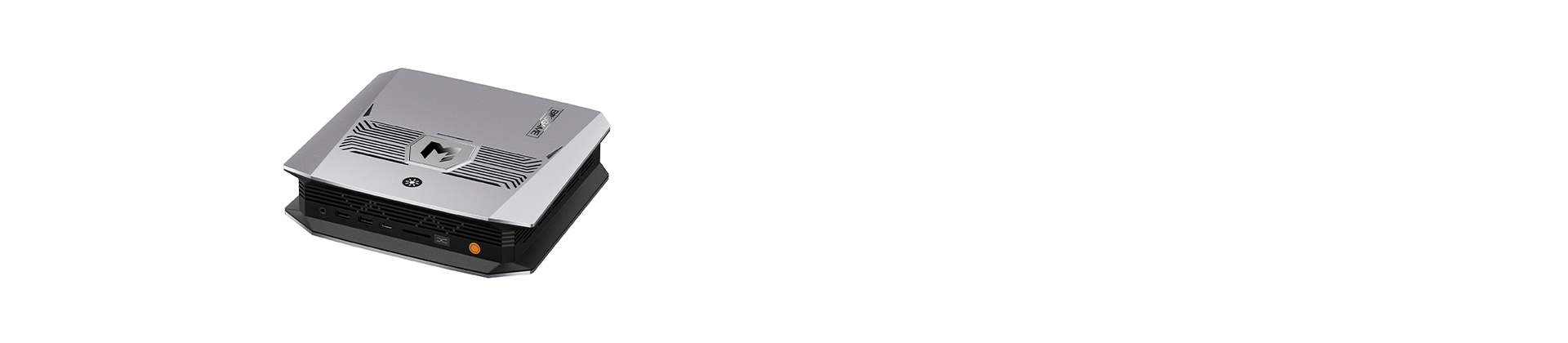
Not all mini PCs are extremely low-power. If you are looking for a low power mini PC, you certainly shouldn't overlook BOSGAME's Ecolite series. The name combines “Eco” and “Lite”: energy-efficient, lightweight machines built for everyday office use rather than heavy workloads. Below is a breakdown of the specific models.
BOSGAME E5
Equipped with 4-core, 8-thread processor from the 5000 Series, the BOSGAME E5 is a low-power mini PC suitable for daily use. In our power consumption tests, the device drew just 5.2–6.2W while idle, 8.5–9.5W during web browsing and video playback, and approximately 9W during office tasks. Its low idle power consumption is particularly advantageous for users who need to keep the mini PC running for extended periods.
BOSGAME E6 ECO
The BOSGAME E6 ECO is ideally suited for scenarios requiring 24/7 operation. Tests show that the device consumes approximately 7W in idle mode and around 9W during video streaming; even under combined CPU and GPU stress testing, power consumption remains below 30W (approximately 28W). If kept in idle mode around the clock, its annual power consumption is just about 61 kWh. Additionally, its compact size—combined with dual Ethernet ports and Wi-Fi 7 support—makes it an excellent choice for use as a home office device, smart home hub, or soft router.
Note: Power figures were measured in our own tests and may vary with configuration, operating system, connected devices, and workload. Actual results in your setup may differ.
Conclusion
As more of our digital life runs on devices that never switch off, from smart homes to personal servers and home networks, efficiency becomes just as important as raw performance. A low power mini PC shows that a computer doesn’t have to be big, loud, or power-hungry to be dependable. Choosing one is a small decision, but over thousands of hours of quiet, steady operation, it adds up to a smarter way to power the things we rely on every day.